Essays: “A case for poetry as a collective practice” by Shivani Gupta
A case for poetry as a collective practice
Shivani Gupta
If you are alive in this time, there is no way you have missed that we’re living through a loneliness epidemic, a fragmented world order, escapism from stimuli that pains us, and the man-might-have-be-an-island-for-man’s-sanity philosophy (aka ostriching).
We urgently need to revive the realization that there still lives invisible connective tissue amongst us, if we only choose to see it, write it, hear it, memorize it.
The case for poetry as a collective practice comes down to the simplest thesis: when we engage with poems, we are in dialogue – within our creative community, with the envisioned reader, with our interior selves, with fragmented and flashbulb memories & the characters of them, with unresolved pasts & half-imagined futures, with nature, the unnatural systems that govern us & the elusive universe that surrounds it all.
Poetry is where dialogue lives and no matter at times how tense & fraught this reality, having poems must mean we are not alone.
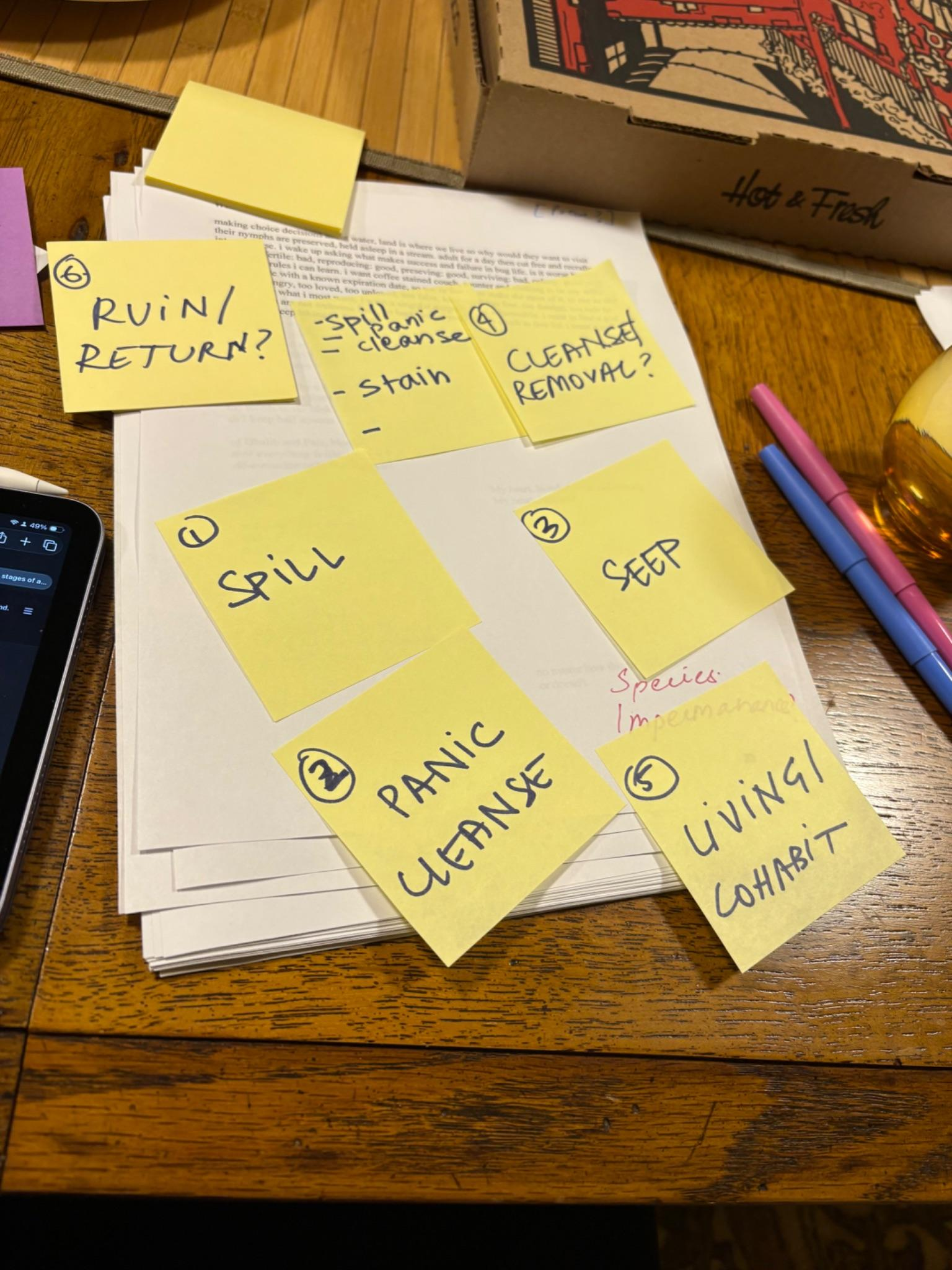
Working on a collection based on comments & conversation with poets
The Soil: Fellow Writers & Their Observations
My most consistent creative ritual is to sit with fellow writers & multi-hyphenate artists every weekend for 2 hours. We are of different ages, histories, geographies, time zones, and week after week a shifting river of us arrives at the screen, a tiny window of possibility, the promise of assured shared presence, ready with prompts one of us has crafted; no pressure to generate, revise or create anything.
We ask each other where we’re joining from - physically, spiritually, in context of our inner & outer worlds, we ground ourselves in breath, we offer each other exploration through articles, poems, essays we have collected; a playlist; constraint-based writing exercises, through forms & structures we have co-curated resources for.
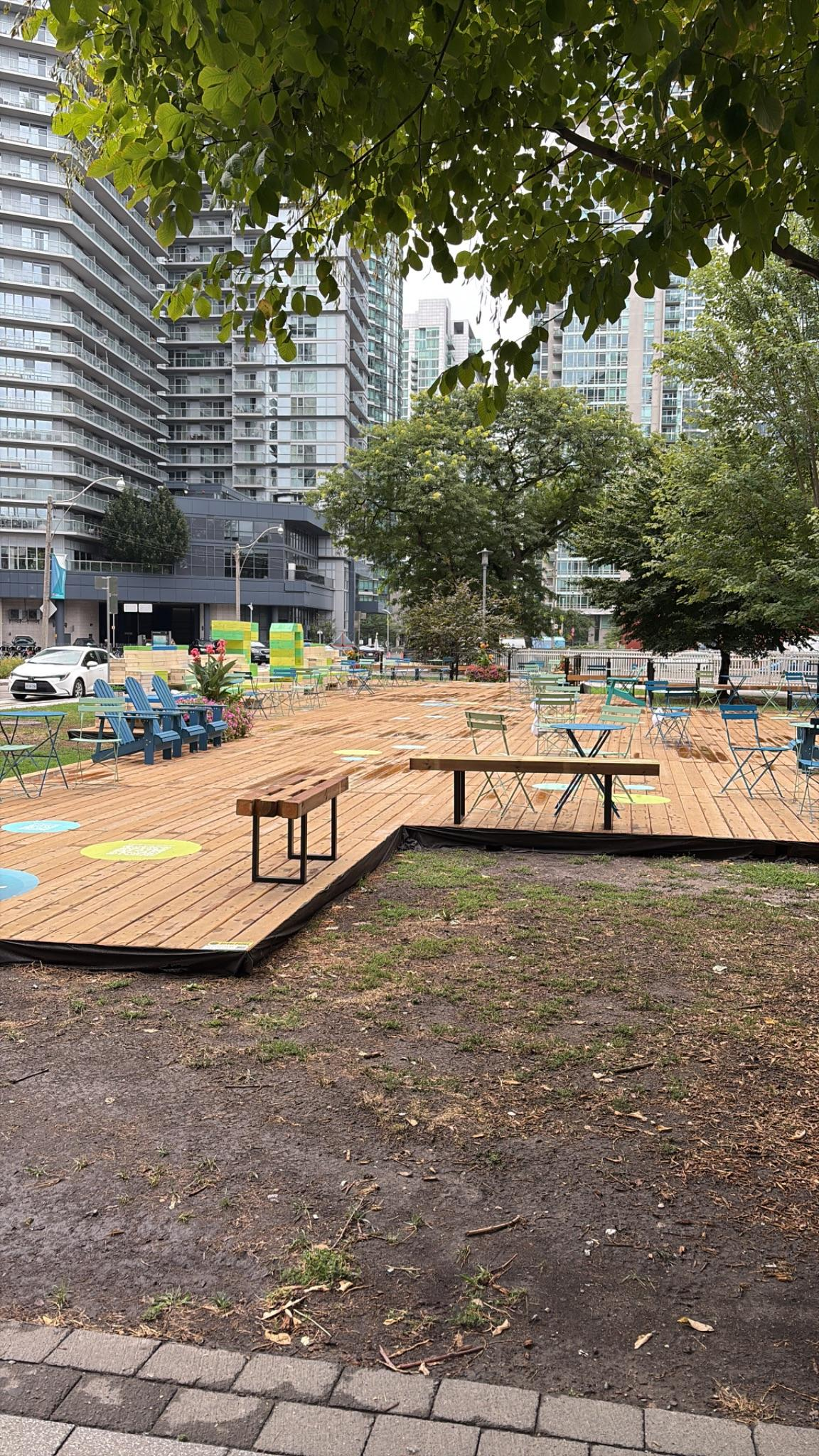
A gathering of benches in Toronto
We turn off our video, go off about what our hour brings, sometimes writing, often reading, often foodmaking or eating, caretaking, watching birds, listening to music. We return at the 0.5 minute mark after hour one of shared space, we hear how each of us spent this time. We listen, reflect back, query one another for details (supportively, patiently, kindly). We are full of allowance; not a week without an embodied sense of gratitude for one another.
The goal of this space & time is not generative, or even necessarily iterative, and yet it is directional, intentional, it is creative co-existence.
The Refraction: Interior Selves, Systems, Memory, Pasts, Futures, Characters
In the interview Poetry is a Political Act from December 1998, June Jordan says “Poetry is a political act because it involves telling the truth. In the process of telling the truth about what you feel or what you see, each of us has to get in touch with himself or herself in a really deep, serious way. Our culture does not encourage us to undertake that attunement. Consequently, most of us really exist at the mercy of other people’s formulations of what’s important.
But if you’re in the difficult process of living as a poet, you’re constantly trying to make an attunement to yourself which no outside manipulation or propaganda can disturb. That makes you a sturdy, dependable voice—which others want to hear and respond to. So, poetry becomes a means for useful dialogue between people who are not only unknown, but mute to each other. It produces a dialogue among people that guards all of us against manipulation by our so-called leaders.”
In Earthly Love, Ross Gay and Aimee Nezhukumatathil speak to their relationship to trees, how trees speak to them, how we’re not spectators of nature, we are participants of it.
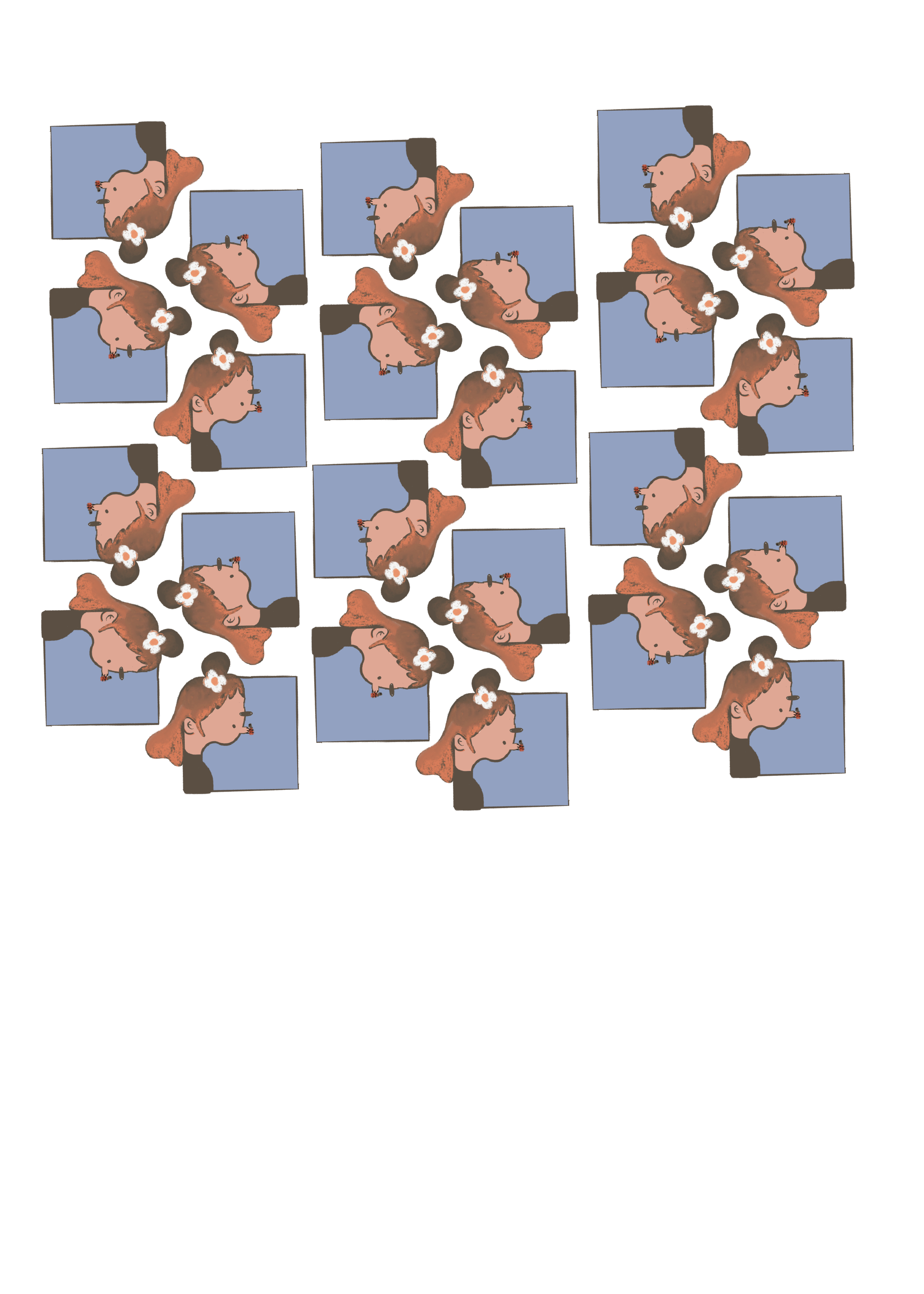
Self-Reflection by Jinal Doshi, of Oji
Said another way, when we engage with poems, we are engaging in the process of meaning-making. We are refracting our memories, our envisioned futures, governing systems, invisible structures, our fears, the characters of them through a prism. It is impossible to do poetry in isolation, because it lives in conjunction with the world, and can only bring us closer to its core.
Bidirectional Seeking: The Reader
When we write poems, we envision a reader, at least one; we invite the vision of someone in. We are in dialogue with ourselves, our interior worlds, and equally, with memory, its characters, its fractures, with the present & its fleeting-ness, but most of all, we are in conversation with a reader. Poems don’t exist without the existence of a reader.
In the essay Someone is Writing a Poem, Adrienne Rich says: “In the wash of poetry the old, beaten, worn stones of language take on colors that disappear when you sieve them up out of the streambed and try to sort them out.
And all this has to travel from the nervous system of the poet, preverbal, to the nervous system of the one who listens, who reads, the active participant without whom the poem is never finished.”
“Someone writing a poem believes in a reader, in readers, of that poem….. most often someone writing a poem believes in, depends on, a delicate, vibrating range of difference, that an “I” can become a “we” without extinguishing others, that a partly common language exists to which strangers can bring their own heartbeat, memories, images. A language that itself has learned from the heartbeat, memories, images of strangers.”
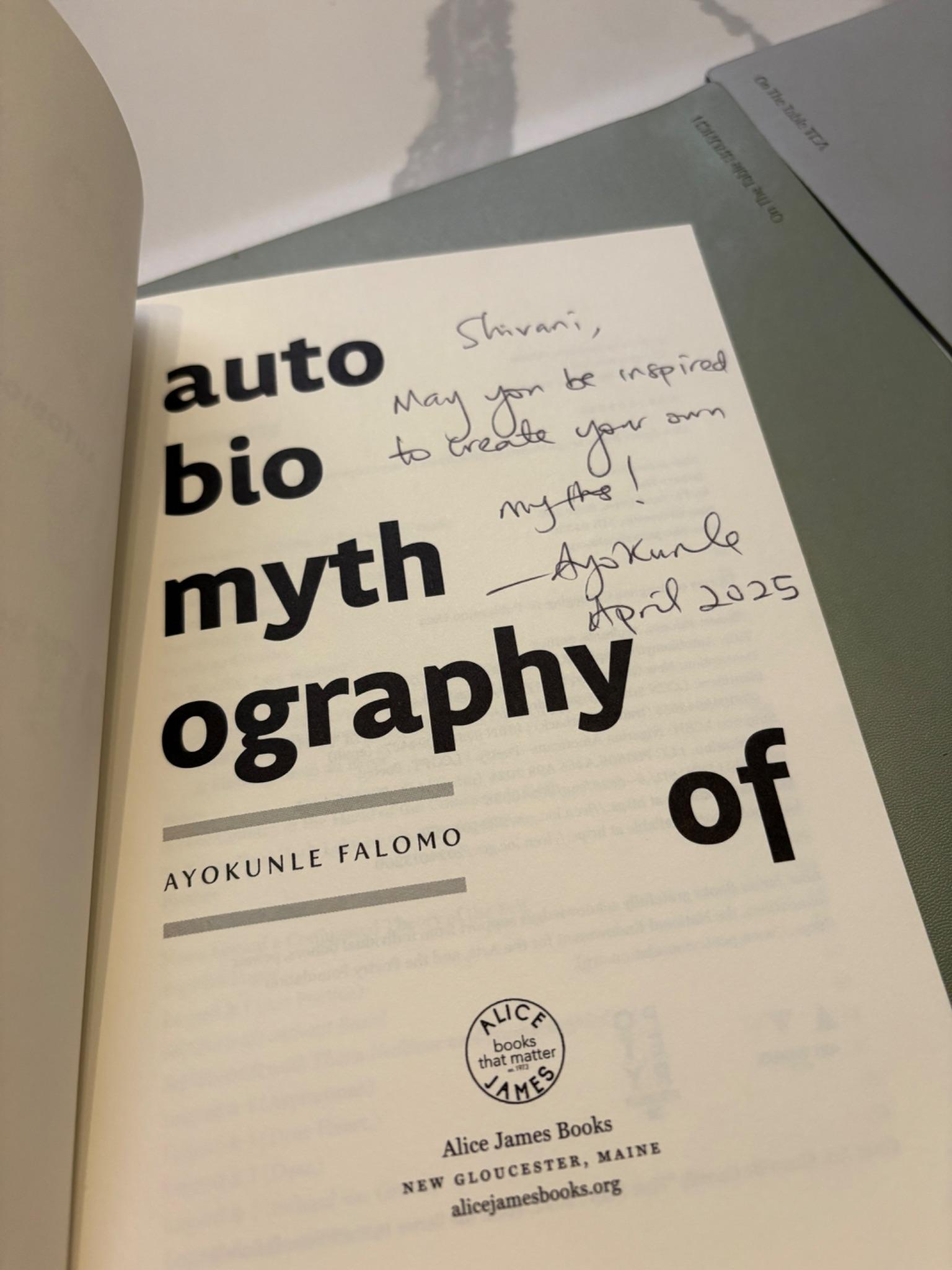
Here’s to signed poetry books with inscriptions you need, thanks Ayokunle Falomo, I’m on it.
There can be no exiling in poetry, we are always reaching out to someone, something outside of us. For our poems to be birthed, we have to believe someone, somewhere is in need of these words, and is reaching out to us too, pressing on us to shape our vulnerability, experience & perspectives into sentences & rhythm.
To put a collection of poems together for publication, I started with homemade zines as gifts for strangers & loved ones, little featured sets for friends I thought needed them, voice notes sent across and between time to family. I had to believe someone was listening.
Scaffolding: Once you have written, who does your life’s work live next to?
When we read poems to one another, we are engaging in the act of witnessing. Whether we agree, disagree, neither, both, we are inevitably finding ourselves in the worlds of others - asking is this me, could it be, what if I found myself here, what if someone felt this toward me, what if this could never be me? In every iteration of the question, in the engagement, the realization that there can be witnessing even when there isn’t implicit empathy or complete alignment.
Choman Hardi’s Poetry Manifesto ends with the words, “Ultimately we try to do our best as poets and citizens who have a responsibility towards others. We will not be bystanders. We will not be silent. We will expose the injustice inherent in the status quo and challenge the powerful. We will sing. We will shout. We will write good poetry. We will not die before telling the truth.”
In the midst of me writing this essay, my dear friend & favourite contemporary poet, T. De Los Reyes said “a room full of poets is the safest place for feelings”. And to that I say yes.
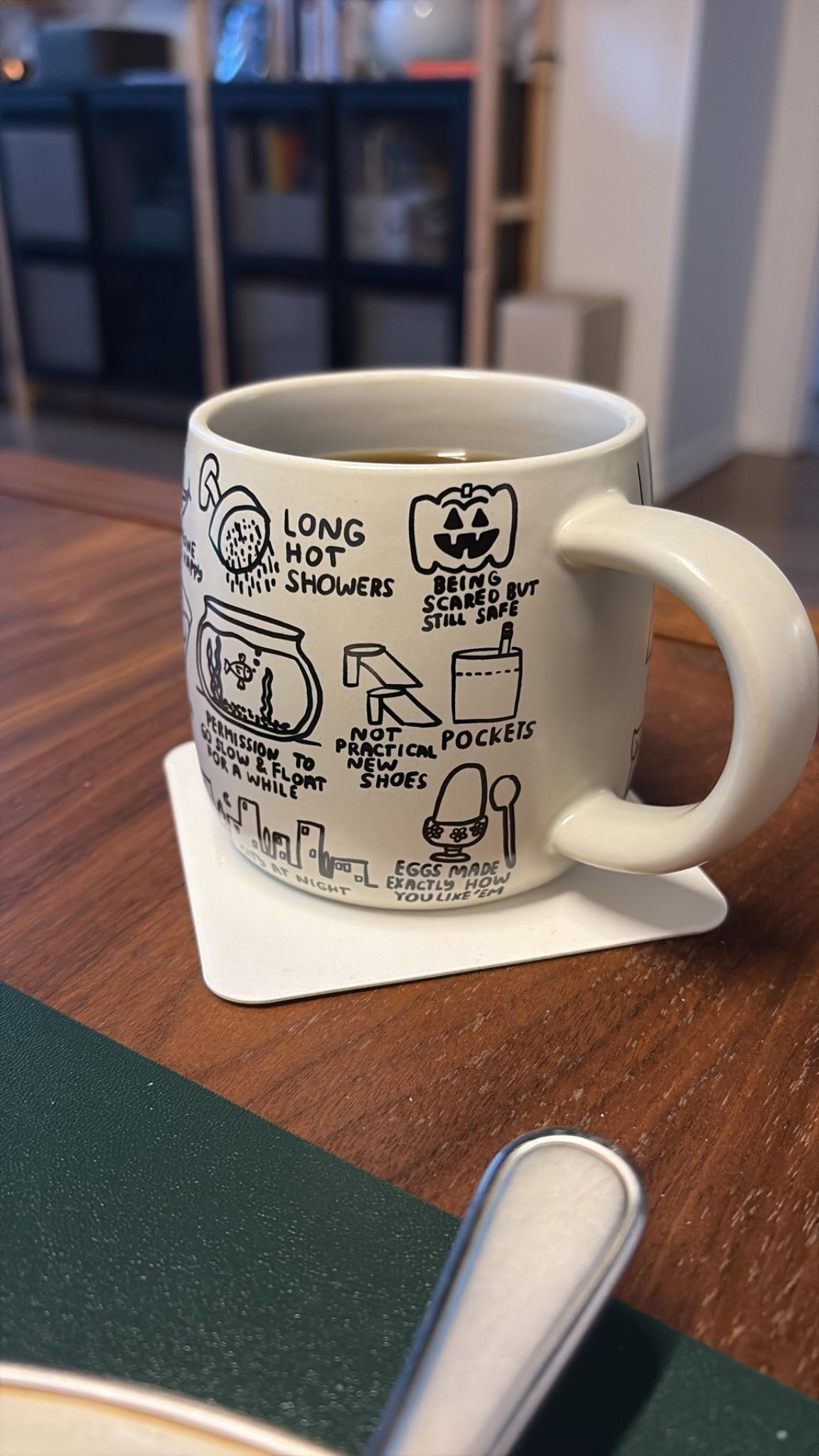
Being scared but still safe, is how sharing words in a room of poets makes me feel.
Poetry remains an invitation, an imploration to witness one another in all the mess this life holds and cannot resolve.
Branching: Just showing up.
My family and friends often joke about the admiration and fervor with which I describe my poetry universe – the people, the spaces, the snaps, the FLAs, LLAs, ELAs*, sounds akin to a cult; a community with its own language, mannerisms and direction. To them I say, the poets I walk amidst are all-heart, all-brain humans. They are some of the smartest, funniest, empathic, flawed people I know, and there is no other space that holds belonging quite so tenderly & depressurized. What separates a community from a cult? The undemanding, giving nature of it, how it lets you belong while it celebrates the very specificity of you — your ancestral crows, your crusty almond eyes, your turmeric stains, your conversations over the 5th cup of chai, your mother who refuses to check the time in the country you’re in, your mother.
My Sanskrit-and-English scholar grandma used to tell me that angels are the people & spaces that appear in the form you most need them, when you most need them, and then they pass. This is not to say that every space you’re in will be everything, but if you’re on the fringe of this sense of collectivism, thinking about writing / sharing / reading a poem, know this: the page, the stage, the too-loud cafe, the virtual room, the chat channels await you. It may be what you (and we) need.
In the words of Melissa Febos’ author note from Body Work “Writing is a form of freedom more accessible than many and there are forces at work that would like to withhold it from whose stories most threaten the regimes that govern this society. Fuck them. Write your life.”
And if I may add, tell us all.
Notes & Sources:
*FLA, LLA, ELA - First line alert, last line alert, every line alert (phrases of appreciation shared during poetry readings).
This essay is written based on my experiences with several poetry community spaces & containers, shout-out In Surreal Life (& the Afterlife), Emotional Historians, Unfold, The Poetry Habit, Chicago Poetry Center - Blue Hour & Critical Conversations, Today We Write, Curried Entities Writer’s Group & more.
Poetry is a Political Act | Colorlines
Earthly Love: A Conversation with Ross Gay and Aimee Nezhukumatathil
Adrienne Rich | The Poetry Foundation
Body Work - The Radical Power of Personal Narrative | Melissa Febos
Manifesto: Choman Hardi – “We will not be bystanders” - The Poetry Society
https://ojikadai.in/products/self-reflection-1?variant=51671900258626https://www.peopleiveloved.com/products/only-good-things-mug
All photographs used in this essay have been taken by Shivani Gupta. The artwork Self-Reflection by Jinal Doshi has been used with permission.
About Shivani Gupta
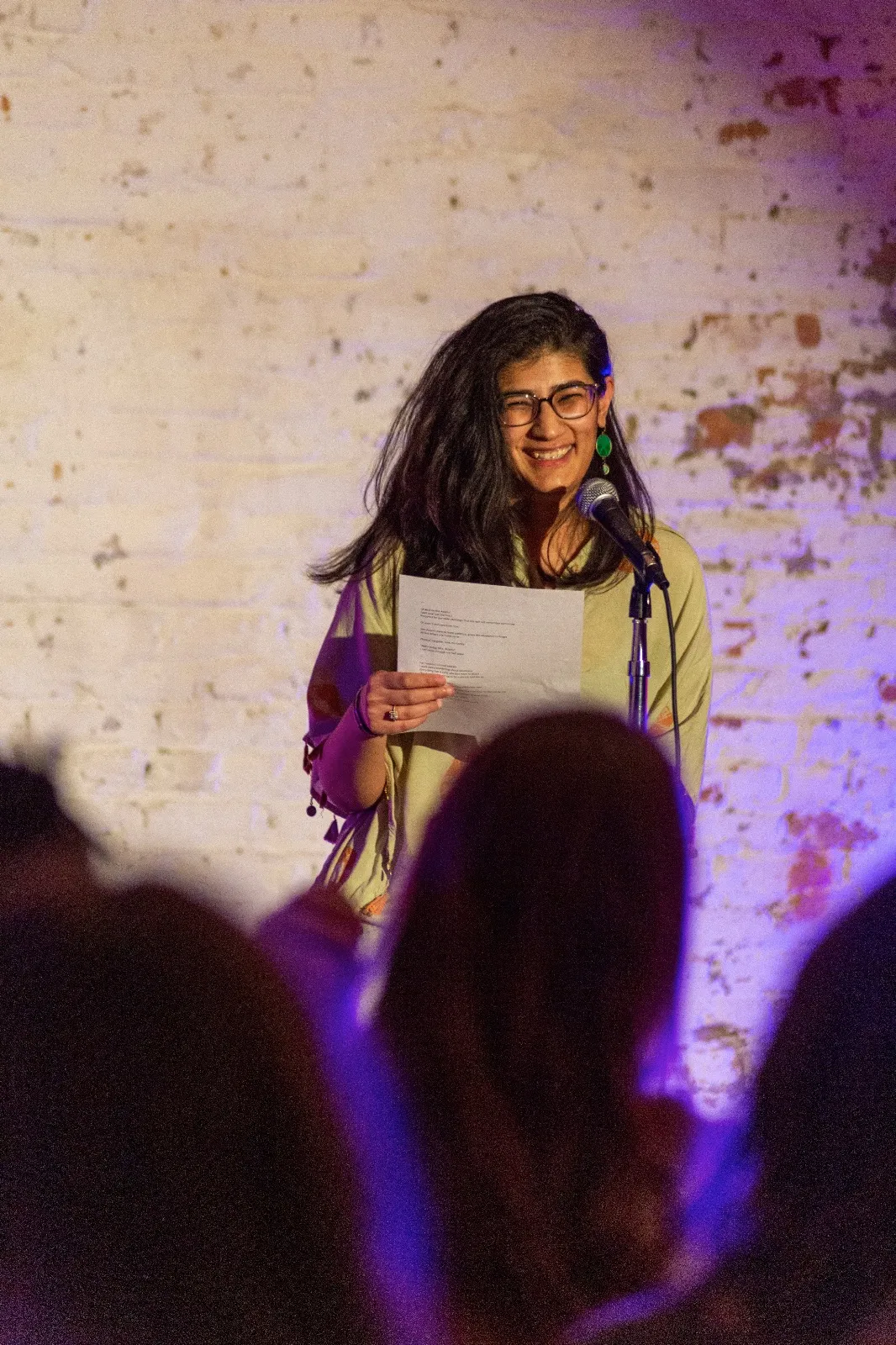
Shivani Gupta is a writer, curator & researcher. She is recently Chicago-based, having lived and performed in multiple cities between India & UK before this. Her debut chapbook my mother is a mixed metaphor was published by Rockwood Press, and its sister collection Cumulus will be released this summer. Her work has also featured globally across BBC, Forbes, the Edinburgh Fringe Festival, Baby Teeth Journal, Epiphany Magazine, Corpus Callosum & more. Her work has been supported by residencies/fellowships with In-Surreal Life & Seventh Wave. She loves sauces, baked goods, pen-pals & all round silliness.Website: https://shivanigupta.space