
O, Give Thanks: A Review of “Praisesong for the People: Poems from the Heart and Soul of Texas”
e·pon·y·mous: Reviews in Conversation
In collaboration with the O,Word? podcast, e·pon·y·mous: Reviews in Conversation is a companion series where Sticky Fingers will publish a poetry review one week in advance of the e·pon·y·mous episodes going live, where DeeSoul Carson discusses the reviewed collection with the poet. Subscribe to the O, Word? Substack to stay up to date on the episodes! The episode correlating with this review goes live today 6/19/2026!
O, Give Thanks:
A Review of Praisesong for the People: Poems from the Heart and Soul of Texas
by DeeSoul Carson
In 2021, in lieu of any reparations or the progress we hoped would emerge from the aftermath of George Floyd’s murder, the United States government designated Juneteenth a federal holiday. Various corporations slapped a “Freedom Day” label on their products and called it a day, and a short five years later, many of the initiatives and culture shifts that made Juneteenth’s federal adoption possible have slid back behind the innumerable elephants in the room this nation hopes to address.
When I think about this holiday, which commemorates the “end” of slavery in the United States, I think primarily of the gratitude I have for the many people that struggled in service of what we can call freedom today. The rights I enjoy are the result of countless, everyday people who fought for our rights to dignity and decency, our rights to be seen as whole and equal by our neighbors.
This deep concern and consideration for the people whose lives weave in and out of our own is exactly what drew me to Praisesong for the People: Poems from the Heart and Soul of Texas. The anthology is a celebration of the everyday folks that keep our lives chugging along — the bus driver, the cafeteria worker, the patient teacher, each stewards of their own small miracles, all of our miracles intersecting to sustain what we might call a life. Reading the anthology, I could not help but feel tender about all the love being shared between the covers. Here is a work for people looking to speak about the people that keep them alive. Here are 71 examples of how to say, "I am glad you are my neighbor. I am thankful for a world with you in it."
The anthology begins with an introduction by editor Amanda Johnston, the 61st Texas Poet Laureate that came up with this project as part of her civic tenure, which you explore on the initiative’s website. It begins with a question:
What can poetry do?
It’s a question I ask myself most days, wondering what the value of verse is while the world seems to collapse in on itself. It’s the question asked incredulously that I argue against when friends and strangers try to understand why I’d waste my time with what they may understand as a frivolous hobby. The anthology and project’s answer is community: poetry has the ability to open our hearts and help us see each other fully. It makes us really stop and consider the people who occupy the most space in our daily lives.
According to Amanda, a praisesong is slightly different from an ode, focusing specifically on praising a specific person or community. Unlike many contemporary anthologies you pick up, this book does not divide the selected poems into sections, likely an extension of the original web-based format that presented each poem individually as part of the larger project. Because of these, the collection does not rely on subgroupings to unify the poems, instead offering each poem as a gift to receive and absorb.
Being an anthology encompassing work of vastly different styles, I found myself, of course, drawn to some selections more than others, though I remain overall pleased by the thoughtfulness with which the book was crafted, each poem a clear reflection of love given back to us, the reader, to carry to someone we too love dearly enough to immortalize in language. It is the kind of project that inspires an infectious kind of kindness, a gratitude you want to pay forward.
There were several poems in particular that caught my eye. The first was Gaby Benitez’s “to trans kids,” which begins as clear-eyed as ever:
how could I praise anyone else? but the ones they’re trying to disappear
This poem feels important to me as an anthology situated specifically within Texas, a state so many of us across the nation assume to be this deep-red stronghold of conservatism. It is easy for all of us to forget the diversity of the country’s second-largest state, home to all kinds of folks living as their full selves, even when their lives are politicized and made a talking point. When we talk about the south, it bears reminding that many of our rights are because of Southern-led movements and moments, including the final enforcement of the Emancipation Proclamation in Galveston, Texas that became what we now call Juneteenth.
Another poem that touched me was “When my mother says we will be remembered by what we tried to save” by Chera Hammons. What gets me about this poem is what we can learn by paying close attention to the care given by those we love to things that are not us. In the poem, the speaker’s mother nurses back to health creatures of all sorts: starlings and rabbits and chicks and kittens. The mother does the work no one else is willingly to do, maybe because it is inconvenient with no reward or outside of their interest. It is a poem about not getting it until much later, the ways the people we love know what will keep us alive, how astonishing that is. The poem closes with one of my favorite endings of the collection:
I want to believe that I am beginning to understand now
the work it takes to live.
All the hurt and miracle of it.
The final poem that stuck with me was “In Praise of the Cleaning Lady” by April Sojourner Truth Walker. It is a narrative poem, recounting a moment of vulnerability between a new mother and the eponymous cleaning lady of a museum, a figure both stranger and familiar in the way kindness makes us known to one another. What is most poetic about the interaction between the speaker and the subject is the seeing and care that happens beyond a momentary exchange of information. It ends with a quotation of the woman:
I wanna make sure you ok.
This anthology, in many ways, operates like that cleaning woman. It wants to meet us where we are and give us the strength and hope, even for a moment, to take our next step. For me, this was a collection full of both friends and strangers, but what I see in it is a constellation of all the ways our lives can touch each other and go on touching everyone else. This anthology is a reminder that the world is never quite as separate from us as we are sometimes led to believe. That there is something worthy of praise within each and every one of us.

About DeeSoul Carson
DeeSoul Carson is a poet, educator, and host of the O,Word? podcast. A Stanford alum, his work is featured or forthcoming in POETRY Magazine, Muzzle Magazine, AGNI, & elsewhere. For his work, DeeSoul has received a National Endowment for the Arts and a Ruth Lilly and Dorothy Sargent fellowship from the Poetry Foundation, as well as fellowships from the NYU MFA program, the Watering Hole, and the Sun Valley Writers’ Conference. His debut full-length, The Laughing Barrel, is forthcoming from Alice James Books in Spring 2027. Find more of his work at deesoulpoetry.com.
About Amanda Johnston
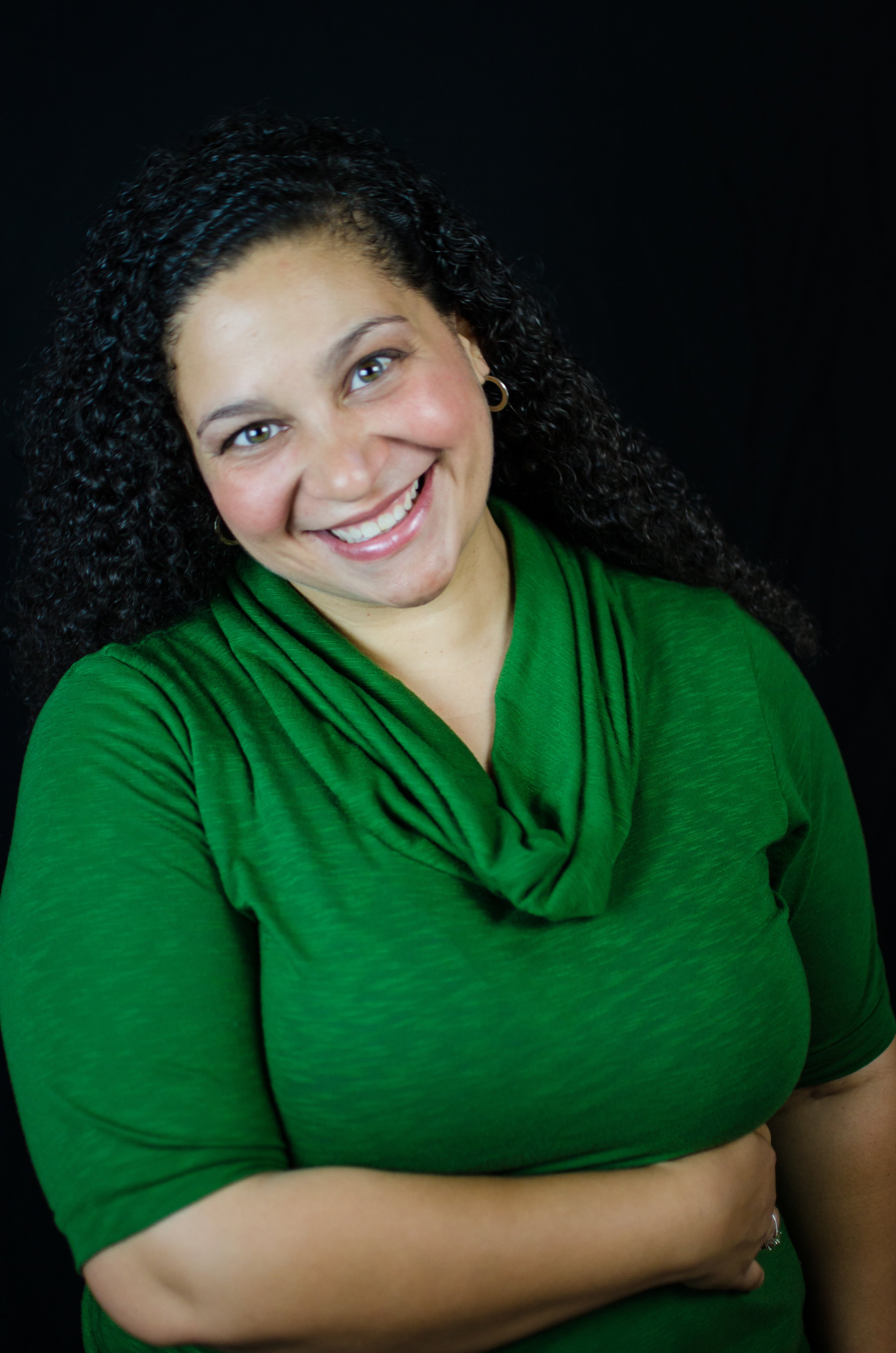
Amanda Johnston is a writer, visual artist, the 61st Texas Poet Laureate, and founder of Torch Literary Arts.